
Replacing old fillings in Varna
Medically reviewed by Dr. Iva Yordanova, specialist in prosthodontics ·
An old filling needs replacing when it is worn, chipped or no longer seals tightly against the tooth and secondary caries develops along its edge – a condition most often found on an X-ray rather than with the naked eye. Fillings do not last forever – over time their edges start to leak, hidden secondary caries develops beneath them, and old amalgam restorations spoil the look of your smile. Replacing them in time with a modern composite keeps the tooth healthy and gives it back a natural appearance.
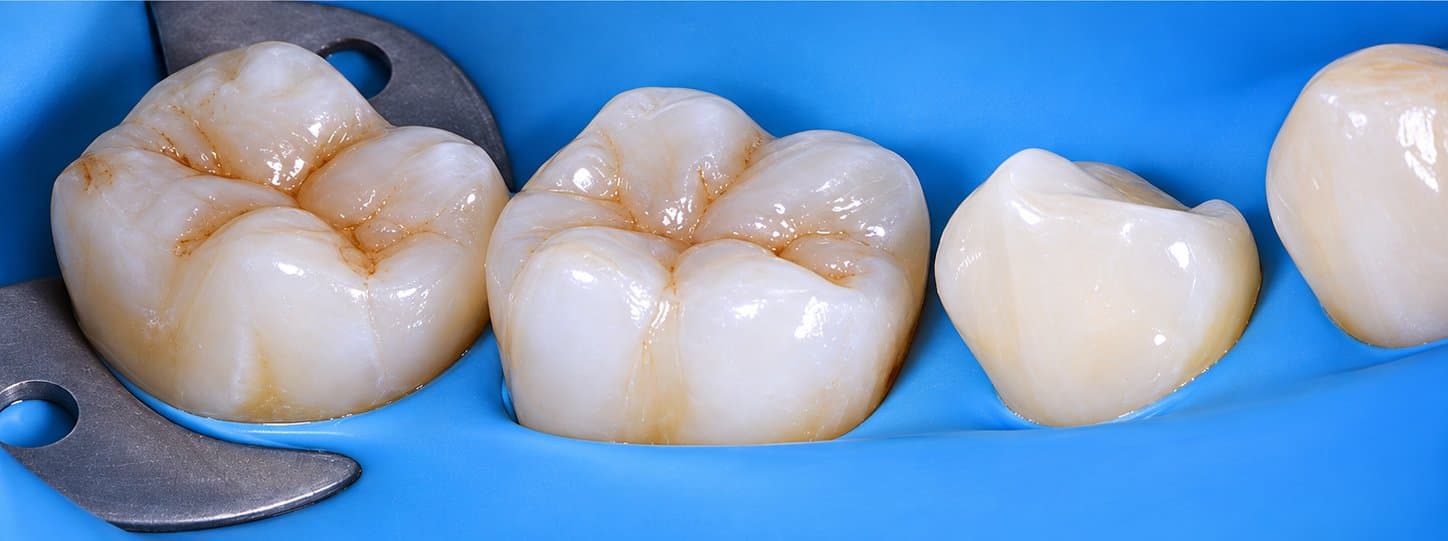
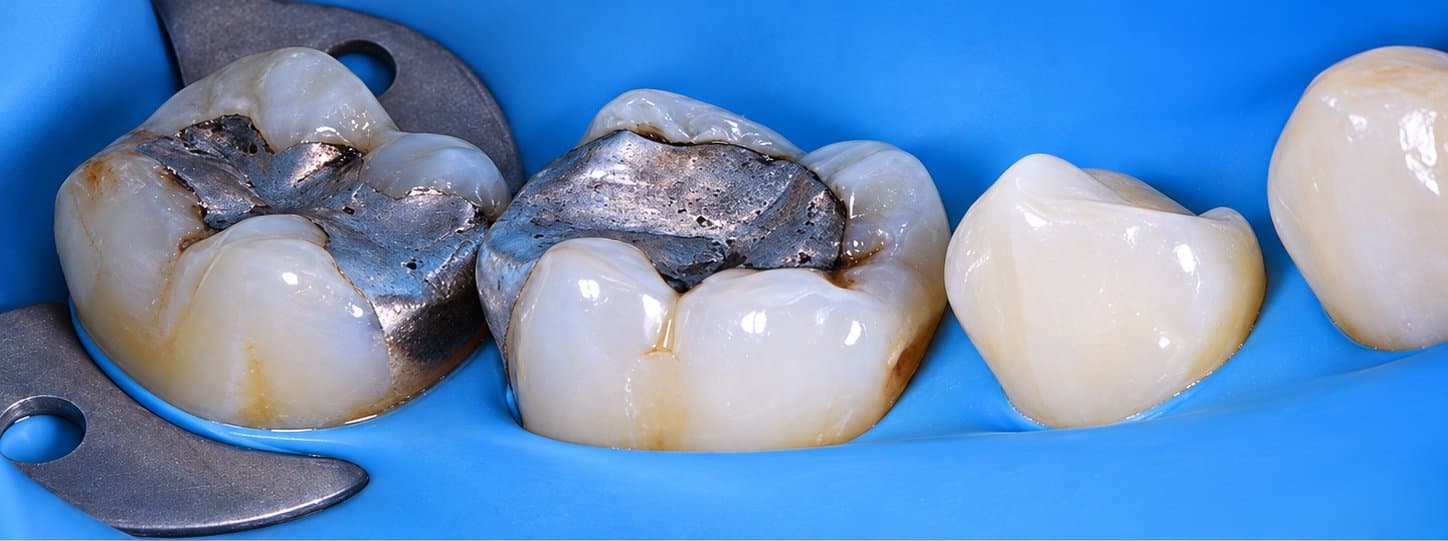
When is it time to replace a filling?
Watch for these signs:
- Darkening around the edge of the filling
- Food getting stuck, or floss that tears in one place
- Sensitivity to cold, heat or sweet
- A chipped edge or a rough feeling
- An old amalgam (metal) filling in a visible place
How is a filling replaced?
We carefully remove the old filling and the decayed tissue beneath it, disinfect the cavity and rebuild the tooth with a high-quality, colour-matched composite. The procedure is painless and is usually completed in a single visit.
Advantages of modern composite fillings
Composites bond chemically to the tooth tissue, seal tightly and allow more conservative preparation. The colour is matched individually, so the restoration is practically invisible.
Prices
| Treatment | Price |
|---|---|
| Composite filling, 1 surface | €70 |
| Composite filling, 2 surfaces | €90 |
| Composite filling, 3 surfaces | €100 |
| Removal of an existing restoration | €30 |
The final cost of treatment is set after an examination and an individual treatment plan.
Full price listFrequently Asked Questions
Should I replace fillings that do not hurt?
Pain is a late symptom. If a filling is old, leaking or has darkening around it, caries may be developing quietly underneath. This is assessed with an examination and, if needed, an X-ray.
Is removing an amalgam filling dangerous?
No – we work with plenty of water cooling and suction, which minimise contact with amalgam particles. The procedure is routine and safe.
How long does a new composite filling last?
With good hygiene and regular check-ups – on average 7–10 years and more. Regular prevention extends the life of any restoration.